It is convention in bicameral parliaments of the Westminster system that the head of government sits in the lower house. This makes sense: a ministry requires the confidence of the lower house to govern, and the lower house typically has greater powers while the upper house is a house of review. But this convention emerged gradually, and was not firm when the first responsible parliaments in Britain’s settler colonies of Australasia met in the 1850s. There have, consequently, been multiple heads of government (20 people, all men) who sat in the upper house for some or all of their time in the highest office. This entry is about these atypical men.
I became interested in this topic over the 2023 Easter long weekend and compiled a spreadsheet of upper-house premiers. I then began writing a Twitter thread, this being back when Twitter was still a mostly usable and enjoyable social media platform. I anticipated that the thread would require about 10 tweets, 15 at most. It ended up sprawling to more than 30 tweets! By the time I realised it was going to be excessively long, I had already drafted most of it and decided to post anyway in the hope maybe someone would read it. Happily they did—thanks to Shane Easson for mentioning one premier I had missed—and I began writing it up in the form I should have chosen originally. I got very close to finishing this post, then my marking must have come in and I let it sit… and sit… and sit, until Anne Twomey on her fantastic YouTube channel Constitutional Clarion did a video about heads of government in the upper house. For the first time ever I left a comment on YouTube, providing some of my fun facts on the topic. Prof. Twomey asked if I had published anything on the topic—I had not yet, but the least I could do was finish this piece!
When I drafted this piece in 2023, it would have been the first time I posted political history to this blog, despite the fact I trained as a political historian and continue to teach and research in that field. I had previously used the blog mainly for railway history and policy. As it happens, I have now written about the history of how Australians mark ballots at referendums and some fun Leap Day political history trivia. But, for readers who might lack familiarity with relevant terminology and background, the first two sub-sections set out important details. More seasoned political observers can skip these and move straight to the sub-sections on each polity.
If there are any errors or omissions below, I invite emails to andre.brett@curtin.edu.au or contact me at @DrDreHistorian.bsky.social on Bluesky. In particular, I hope I have not overlooked any other heads of government who sat in the upper house for any portion of their premiership! I might turn this into a fully-fledged scholarly article in future.
Terminology
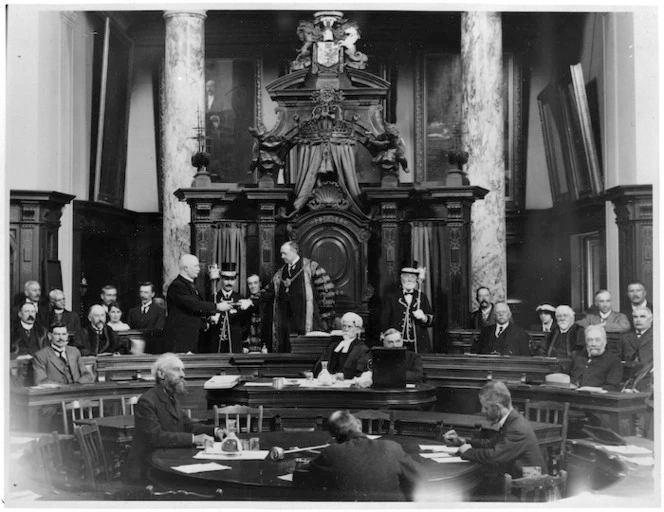
Parliaments have either one or two houses (or chambers). A parliament with one house is unicameral; a parliament with two is bicameral. Parliaments established in Australasia prior to the First World War were bicameral and mostly remain so, but two abolished their upper houses: Queensland in 1922 and New Zealand in 1950. Legislatures created more recently in both the Commonwealth of Australia and the Realm of New Zealand have always been unicameral: the Australian Capital Territory (founded 1989), the Northern Territory (1974), Norfolk Island (1979, disestablished 2015), the Cook Islands (1946, reorganised 1957), Niuē (1959), and Tokelau (1996). Papua New Guinea obtained a unicameral legislature in 1951 while an external territory of Australia and its parliament remains unicameral today. Here, we are only concerned with bicameral parliaments.
All the upper houses in Australasia are (or were) called the Legislative Council with the exception of the Senate at federal level in Australia. Members are known as Members of the Legislative Council (MLCs) or, federally, as Senators. The names of the lower houses are more diverse: in the 1850s, Britain created NZ’s House of Representatives, SA and Tasmania’s Houses of Assembly, and NSW, Queensland, and Victoria’s Legislative Assemblies. The name Legislative Assembly was also used in WA when it obtained a responsible bicameral legislature in 1890, while the federal lower house that met for the first time in 1901 is the House of Representatives.
There is an interesting contrast here between Australia and Canada, as federations formed within the British Empire. Canada’s national parliament is bicameral, with a House of Commons and a Senate, but its upper house is nominated and all its provinces are unicameral, possessing only a Legislative Assembly (or, in Québec, the National Assembly, a name adopted in 1968). Some Canadian provinces abolished their upper houses while others were always unicameral.
As for the title of the head of government, Australia and New Zealand currently have prime ministers, while the states of Australia have premiers and the territories have chief ministers. This, however, suggests a hierarchy that is ahistorical. Prior to federation, the head of government in NSW, SA, and Tasmania was often called “prime minister”, and the terms could be used synonymously (at the Australasian—later Australian—federation conventions of the 1890s, “prime minister” was used generically for the leaders of all seven colonies). For ease here, I use PM for the head of government of Australia, premier for the states, and for NZ I use premier pre-1907 and PM post-1907, when “prime minister” was adopted formally in English (it had been in use informally for some time beforehand, while the Māori term remains “pirimia”, a transliteration of “premier”). When describing the offices collectively, I refer to premiers and the premiership.
Background
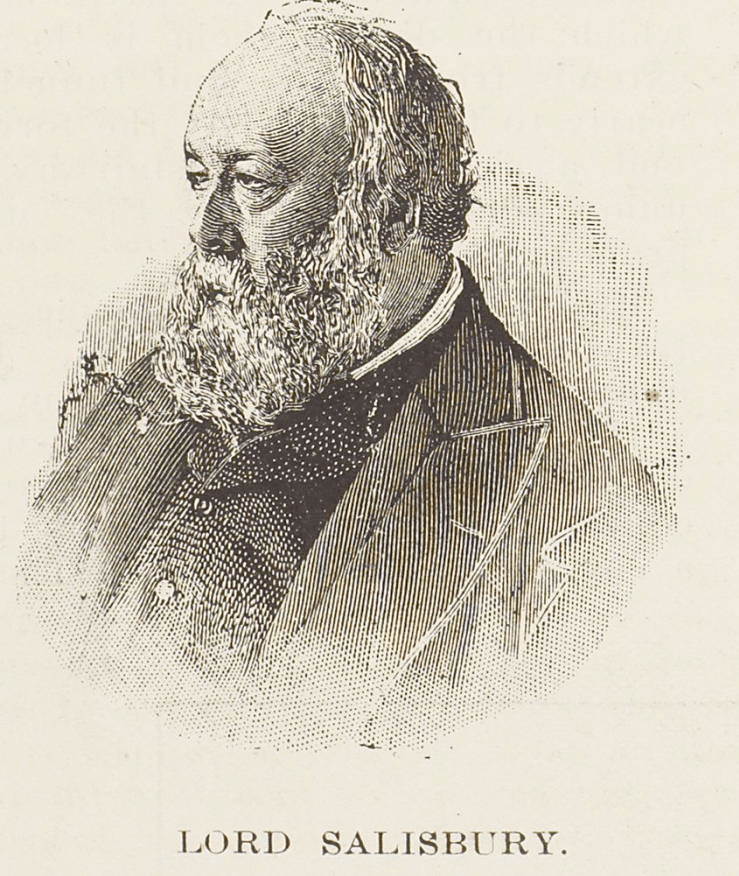
In the nineteenth-century United Kingdom, as Kathryn Rix explains, it was not unusual for prime ministers to sit in the House of Lords. To take one example, Robert Cecil, the 3rd Marquess of Salisbury, was prime minister on three occasions for a cumulative period of more than 13 years. His departure from office on 11 July 1902, however, symbolises the end of the era of British prime ministers sitting in the House of Lords. In the decades afterwards, a member of the Lords was occasionally considered as PM, but this deliberation always resolved in favour of a person in the Commons. There was, though, briefly one final UK PM in the House of Lords: Alec Douglas-Home in October 1963. By that point, a seat in the Commons was considered essential, and the recent passage of the Peerage Act of 1963 enabled the 14th Earl of Home to renounce his peerage. He stepped down from the Lords on 23 October 1963, four days after becoming PM. Home held no seat in either house for 20 days until he won a by-election for Kinross and West Perthshire.
Britain conferred responsible government on six of its Australasian settler colonies in the 1850s (Western Australia had to wait until 1890 because of its small population and marginal economy). Some colonies already had partially elected Legislative Councils on restricted male franchises—the first Australasian colony to gain a measure of representative government was New South Wales in 1843—but governors’ advisory councils were typically nominated and/or appointed ex officio, and governors were not bound to accept their advice. Responsible government transferred to the colonies a great and increasingly greater measure of domestic autonomy.
The new parliaments reflected British practices, with variations to suit local conditions or preferences. Although they were all bicameral, there was no local aristocracy akin to Britain’s, so the upper houses could not have hereditary membership. In 1851, George Grey as governor of New Zealand proposed that the colony’s Legislative Council should be elected by provincial legislatures, but when the UK parliament approved a constitution for NZ the next year, an intervention by John Pakington (Conservative) as Secretary of State for the Colonies meant that NZ received a Legislative Council nominated by the governor. Pakington served in the role for only ten months, and his successors accepted the requests of SA, Tasmania, and Victoria to have elected Legislative Councils, albeit on a tighter franchise than the lower houses. NSW’s upper house was nominated, a practice replicated in Queensland after it was separated from NSW in 1859. When WA attained responsible government in 1890, it briefly had a nominated Legislative Council, which became elective in 1894.
The qualifications necessary to vote for the elected upper houses steadily became more liberal until they matched that for lower houses—some not until the second half of the twentieth century—while in the polities with nominated houses, the role of the ministry in recommending appointments and variations in size gradually expanded until the house was either abolished (Queensland and NZ) or became elected (NSW). When six of Britain’s seven Australasian colonies federated on 1 January 1901, the new Commonwealth of Australia had a bicameral legislature, and the Commonwealth Franchise Act (1902) set the same eligibility requirements to vote for both houses.
Commonwealth of Australia
Only one prime minister of Australia has served any portion of their term as a member of the Senate. After Harold Holt (Liberal) disappeared on 17 December 1967, presumed drowned, John McEwen—leader of the Country Party, the minor partner in the federal coalition government—refused to serve in a government led by Holt’s deputy leader of the Liberal Party, William McMahon. The Liberals could not govern without Country support, and at this point in history McEwen could level a serious threat: Country had governed at state level in Victoria with support from Labor as recently as 1950–52. This was not today’s cowed regional franchise of the Liberal Party known as the National Party.
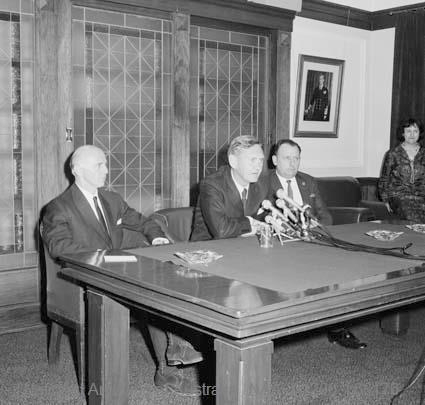
The Liberals chose John Gorton as leader on 9 January 1968 and he was sworn in as prime minister the next day. Gorton was Senator for Victoria at the time of his swearing-in. Although he could have remained in the Senate, convention dictated that Gorton switch to the House of Representatives. He resigned as a Senator on 1 February 1968 to contest the by-election for Holt’s former seat, the Division of Higgins in southeastern Melbourne. Gorton won handily on 24 February, having spent 23 days as prime minister without any seat—one more day than he spent as PM while a Senator. (A person can be a minister of the Commonwealth without being a member of either house, but must obtain membership of one within three months.)
New South Wales
The Legislative Council of NSW was the last chamber of an Australasian parliament that was not elected directly. Originally a nominated body, Jack Lang (Labor) attempted to abolish it as premier in the 1920s—he did not succeed, but his efforts precipitated reforms in 1933 where the Council became elected indirectly. Members of both houses as a single electoral college chose a quarter of the Council’s membership every three years, with members serving 12-year terms. Finally, in 1978, NSW voters approved a referendum to reconstitute the Council as a body elected directly by the state at large with proportional representation. All other nominated chambers of Australasian parliaments had been either abolished or made elected at least a generation earlier.
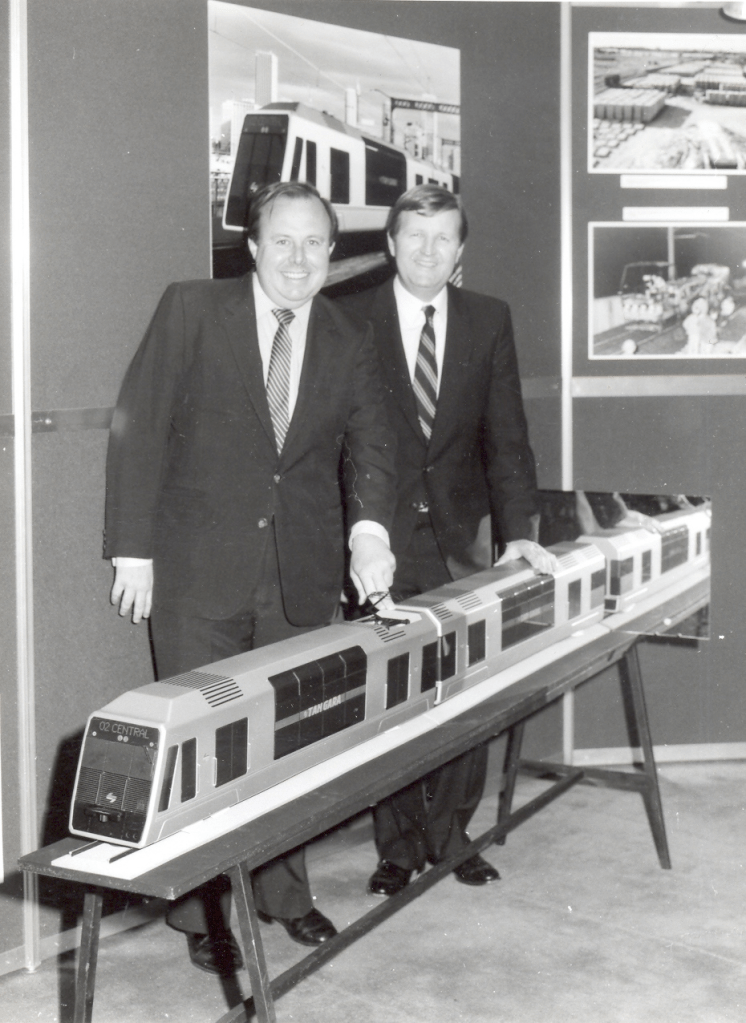
At the first election for the Legislative Council in 1978, Barrie Unsworth won a seat for Labor. Eight years later, when Neville Wran announced his retirement, Labor chose Unsworth as his replacement and he became premier of NSW on 4 July 1986, the only person to serve in the role while an MLC. Like Gorton had done, he bowed to convention and quit the Legislative Council on 15 July to seek election to the lower house seat of Rockdale. Brian Bannon, who had held the seat as a backbencher for over 25 years, was persuaded to accept a job as Chairperson of the Homebush State Sports Centre Trust. Unsworth only just won the resulting by-election on 2 August by a margin of 54 votes, while the Liberals claimed Wran’s old seat, both harbingers of Labor’s heavy loss at the 1988 state election.
Barrie Unsworth is the most recent member of an Australasian upper house to be head of government. His 11-day tenure as premier while an MLC is the equal shortest with George Thorn (Queensland) and John Baker (SA).
New Zealand
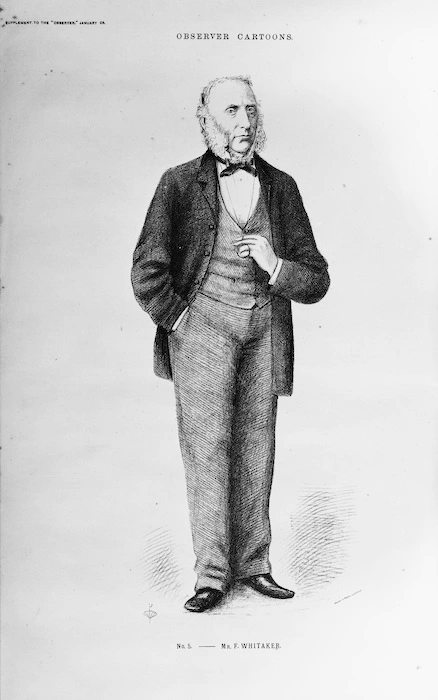
Four individuals have served five terms as New Zealand’s head of government while sitting in the now-abolished Legislative Council. Frederick Whitaker was the returnee and his two terms were the only terms to last longer than a year. His first premiership, 30 October 1863 to 24 November 1864, came amid the New Zealand Wars, which he prosecuted aggressively to promote his own business interests. He and his land-hungry ministry ultimately fell out with Governor George Grey, who was unwilling to support the full extent of Whitaker’s plans for confiscation of Māori land, and the ministry collapsed. Whitaker soon quit the Legislative Council and worked through a range of other posts until 1879, when he was reappointed as an MLC and became attorney-general in John Hall’s conservative ministry. Whitaker provided much of the intellectual heft in this ministry, and few were surprised when he became premier upon Hall’s resignation on 21 April 1882. Yet, Whitaker was an old man whose private finances were precarious. He resigned the premiership after 522 days, on 25 September 1883, the longest discrete term an MLC served as premier of NZ.
The premierships of two other MLCs were defined not by their own achievements but by Julius Vogel, whose sweeping vision and risk-taking has shaped New Zealand profoundly. Vogel’s star had been ascendant since he arrived in Dunedin from Victoria in 1861 and he dominated New Zealand colonial politics from 1870, when as treasurer he promulgated the Great Public Works Policy. In 1872, his opportunity to become premier appeared to have come—but he was still young, many viewed him as a speculator or journeyman, he was the subject of anti-Semitism (Vogel is one of 3 Jewish PMs of NZ, and the only practicing Jew), and Governor George Bowen disliked him personally. So, instead, Bowen commissioned as premier George Waterhouse, MLC, on 11 October 1872, with Vogel the leader of government business in the lower house. Waterhouse could not control Vogel, who became premier in all but name. Waterhouse quit the top job on 3 March 1873, while Vogel was overseas—and just a fortnight before Bowen left NZ to take up a new commission as Governor of Victoria. After a month-long interregnum with William Fox as premier for the fourth and final time, Vogel returned to NZ and became premier, striking up a friendship with the incoming governor, James Fergusson.
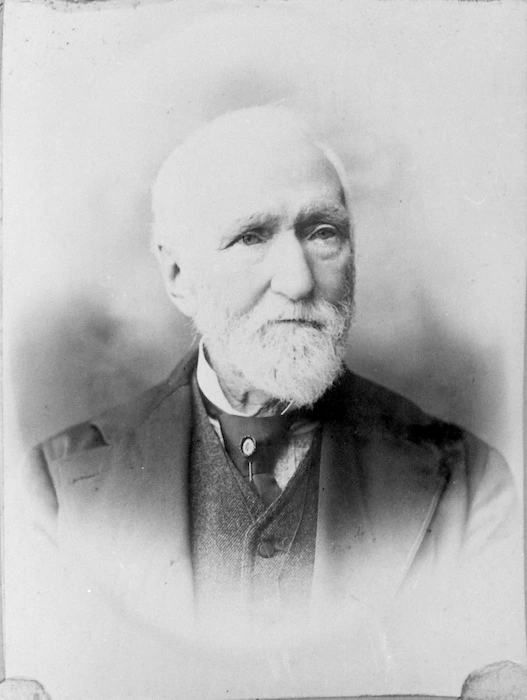
Ill health detained Vogel in Europe while away on government business in 1875, forcing him to miss that year’s session of parliament. This precipitated the next MLC as premier, Daniel Pollen. But, like Waterhouse before him, Pollen was a figurehead: not only was he serving in Vogel’s stead, treasurer Harry Atkinson was the real leader, and he shepherded Vogel’s plan to abolish the provinces through parliament. Pollen readily handed the reins back to Vogel on 15 February 1876. Atkinson, for his part, later became premier four separate times.
NZ’s last head of government to sit in the Legislative Council was Francis Bell in the 1920s. He was the only MLC to be head of government during the party era, which began in 1891. Prime minister William Massey died in office on 10 May 1925 after leading a conservative Reform government for nearly 13 years, and four days later Bell was sworn in. Aged 74, he was NZ’s oldest PM—since then only exceeded by Walter Nash—and despite overtures from his party, he declined to lead permanently. Instead, Reform chose Gordon Coates, a much younger man at 47 years old, bilingual in English and Māori, popular among the public as a war hero, and whose energetic conduct across multiple prominent ministerial portfolios under Massey had marked him as leading a new generation. Bell’s decision to step aside was wise, and his tenure lasted a mere 16 days. He was the last head of government in Australasia to serve the entirety of his term in an upper house.
Bell, Pollen, Waterhouse, and Whitaker share an unusual distinction in Australasia: they were heads of government while holding a nominated, not elected, seat in parliament. With one exception in Queensland, every other head of government to sit in the upper house of an Australasian parliament had been elected to their seat. By comparison, as noted above it was common for UK PMs to sit in the House of Lords until the dawn of the twentieth century, and Canada had two PMs who sat in its nominated upper house during the 1890s .They were John Abbott, 1891–92, and Mackenzie Bowell, 1894–96; Bowell’s successor, Charles Tupper, did not hold a seat in parliament for the roughly two months during which he was PM—he won a seat in the Commons at the forthcoming election but his Conservative Party lost to the Liberals, Newfoundland had at least one PM in its upper house during its period of independence, Frederick Alderdice’s first term in 1928; a preliminary online search does not clarify for me where Albert Hickman sat during his brief time as Newfoundland PM in 1924 (or was he, like Tupper, outside parliament at the time?).
Queensland
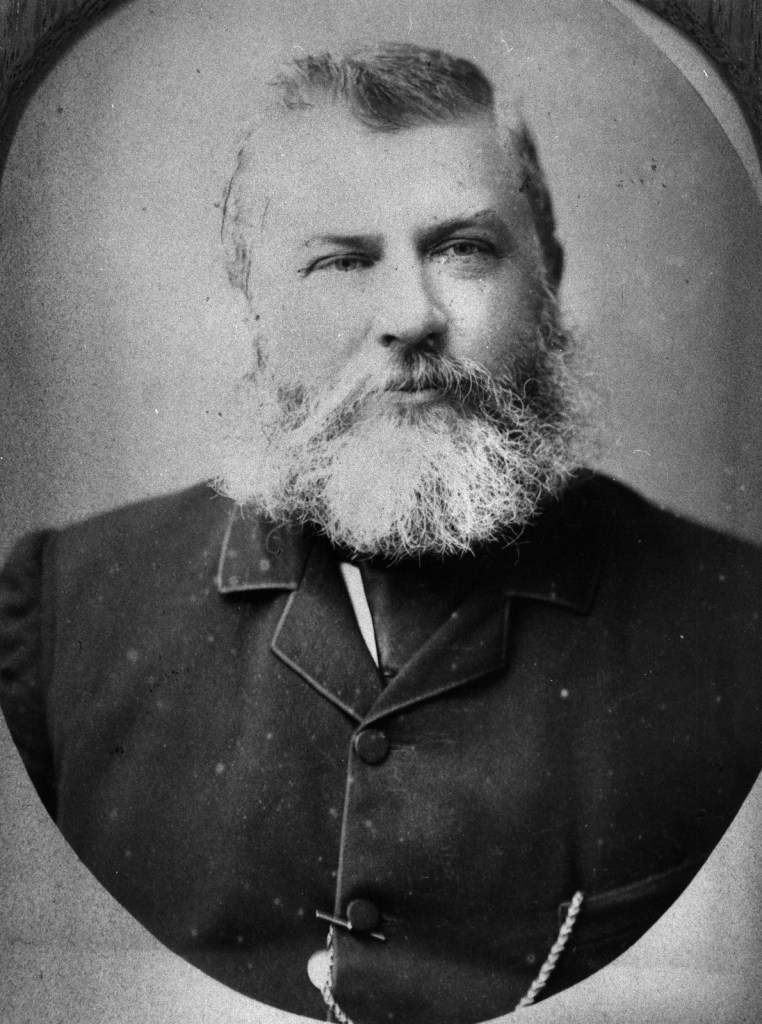
One member of Queensland’s Legislative Council became premier between the creation of the colony in 1859 and the abolition of its upper house in 1922. Arthur Macalister’s third ministry fell in June 1876, and George Thorn, MLC, formed a new ministry on 5 June. In the Legislative Assembly, Arthur Hunter Palmer, himself a former premier, stated that he “did not dispute the right of the Governor to send for any man to form a Ministry” but he “did not think that any House of Assembly would put up with a Ministry whose Premier and whose Secretary for Works was in the Upper House”. Thorn resigned from the Legislative Council on 16 June, contesting and winning the electoral district of Ipswich four days later.
Thorn’s 11-day tenure as premier while MLC is the equal shortest with Barrie Unsworth (NSW) and John Baker (SA). Unlike some premiers who served only briefly while member of an upper house, Thorn actually addressed the chamber as premier. Others who sought a quick transfer to the lower house typically did not get this opportunity; for example, the Senate was not in session during Gorton’s 22 days as PM while a Senator.
Queensland also had two men who were premier and MLC on the same calendar day, but not concurrently. Hugh Nelson resigned as premier on 13 April 1898 and was appointed to the Legislative Council as its new president; after Nelson died on 1 January 1906, Arthur Morgan replicated Nelson’s move on 19 January, becoming president of the Legislative Council after handing the premiership to William Kidston.
South Australia
South Australia and New Zealand are alike in many ways: they were settled on Wakefieldian principles, they never received convicts directly, and Adelaide and Christchurch are near-interchangeable cities known for churches and parks. They are, in fact, so alike that not only did SA and NZ both have four premiers sit in their respective upper houses, but also one of those four was exactly the same man, George Waterhouse.
South Australia elected its Legislative Council from the outset of responsible government. All four MLCs who served as premier did so while the Council was elected by the entire state at large on a property franchise between 1857 and 1882. (It was divided into regions between 1882 and 1975, when it reverted to being elected at large and suffrage became universal.) The first premier to serve from the Legislative Council was the second overall, John Baker, from 21 August to 1 September 1857. This tenure, 11 days, is equal shortest, and, unlike Barrie Unsworth (NSW) or George Thorn (Queensland), who continued to be premier but switched houses, Baker ceased to be an upper-house premier because his ministry fell. Nonetheless, in that short period he helped negotiate key aspects of how the young parliament would function.
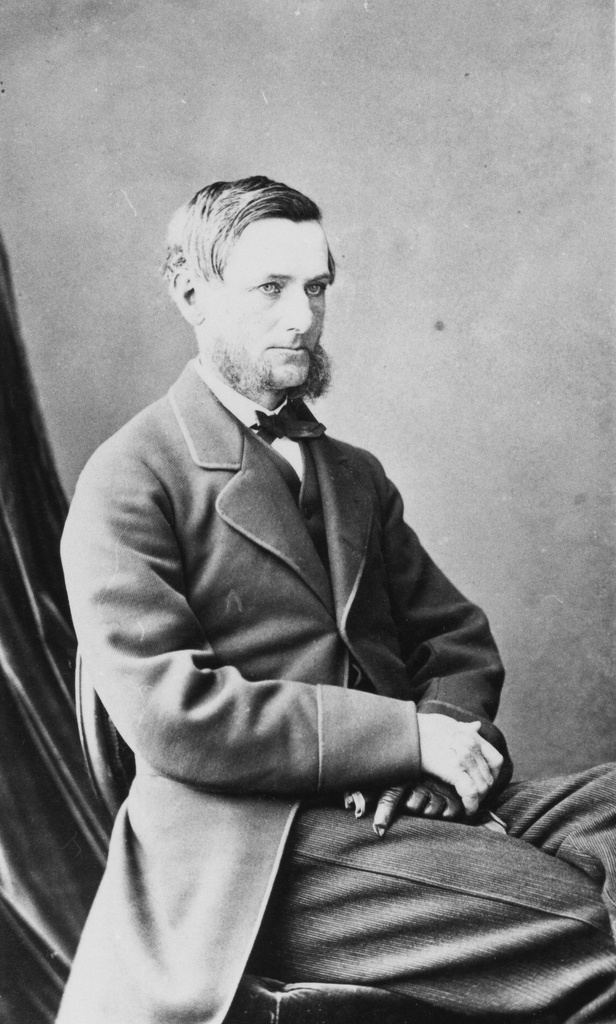
The other three SA premiers to sit in the upper house served considerably longer. Before he was outfoxed by Vogel in NZ during 1872–73, George Waterhouse led SA from 8 August 1861 to 4 July 1863. This was a decent run by South Australian standards in the pre-party era, where the average discrete term as premier lasted merely 1.28 years, the briefest of anywhere in Australasia. Waterhouse is one of just three people to lead the government of two separate polities in Australasia: George Reid (NSW) and Joseph Lyons (TAS) went from being colonial/state premiers to being PMs of Australia. Waterhouse shares with George Thorn (QLD) the distinction of having been premier both as a nominated member and as an elected one, although in different circumstances: Waterhouse was elected an MLC in SA and was nominated as an MLC in NZ, while Thorn quit his nominated seat as an MLC and obtained election to the lower house. Every other premier in Australasia who held a nominated seat (i.e. the other three men in NZ) dd not also have a term as premier while sitting in the elected lower house, although Whitaker and Bell did sit in the House of Representatives at other points during their careers, and Pollen had been elected to the Auckland Provincial Council.
Henry Ayers marks himself out as a notable MLC to serve as premier, and not because he is indeed Ayers of the Rock now known by its traditional name Uluru. Four people have served as premier of an Australasian polity on five separate occasions: Ayers is the only one of the four outside NSW and the only one to do so while sitting an upper house (the three in NSW were Charles Cowper, John Robertson, and Henry Parkes, the last being, cumulatively, NSW’s longest-serving premier). Between 15 July 1863 and 22 July 1873, Ayers served terms of 386 days, 33 days, 510 days, a fleeting 21 days, and finally his longest tenure, 547 days. This total of 4 years and 37 days is the longest cumulative tenure as premier by any MLC outside Tasmania.
The last South Australian premier to sit in the Legislative Council was William Morgan. He served from 27 September 1878 to 24 June 1881, a term of 1,001 days: the only MLC outside Tasmania to serve an unbroken term of at least 1,000 days (or, indeed, to even reach the two-year mark). A vigorous free-trader and federalist, his ministry pursued many public works but, ironically, faced an obstructive Legislative Council. Morgan resigned the premiership on account of his private business affairs turning increasingly sour. No SA premier has subsequently sat in the Legislative Council for any portion of their tenure.
(While we’re here, I just want to mention another SA curiosity: Vaiben Solomon, briefly premier 1–7 December 1899, represented the lower house seat of Northern Territory. This encompassed modern-day NT, which was then part of SA. Solomon is the only example of a head of government in Australasia holding a seat whose territory now falls completely beyond the bounds of the relevant polity today.)
Tasmania
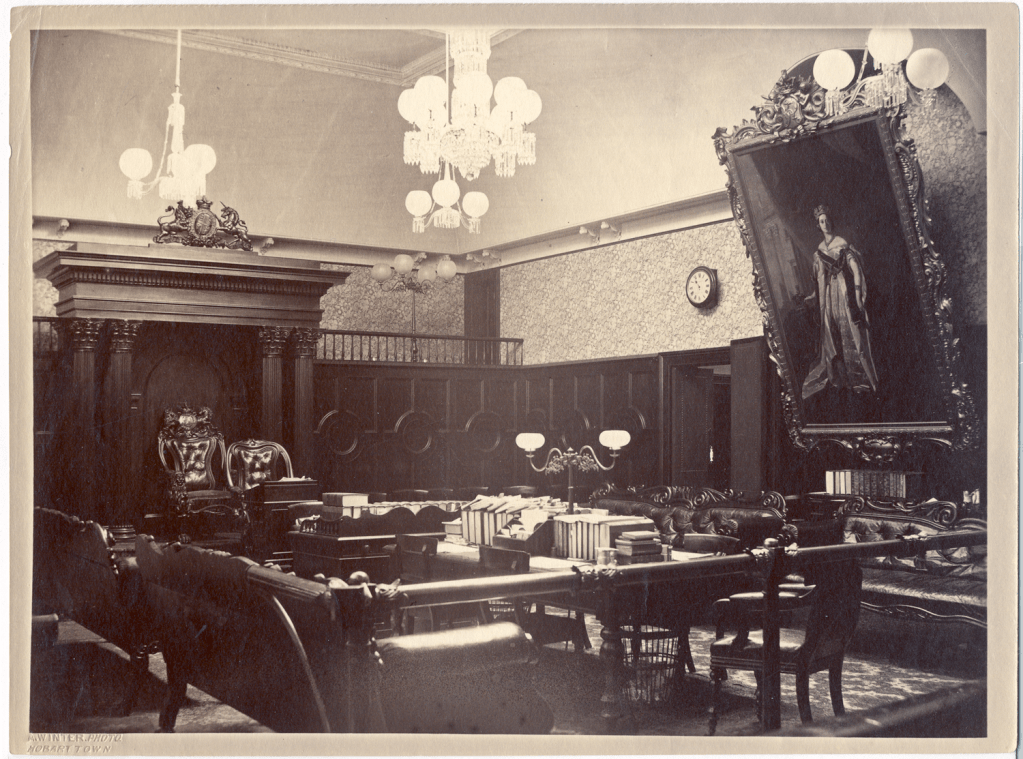
The parliament of Tasmania today is distinctive: the lower house comprises five multi-member regions and its upper house contains single-member electorates. It reverses the norm elsewhere. The upper house has pretty much always been like this, too—it did have a 2-member electorate in Launceston and a 3-member electorate in Hobart for much of the period from 1856 to 1946, but all other electorates have always had a single member. Prior to 1909, the lower house also comprised single-member electorates, with multi-member seats for Hobart and Launceston. How were they any different, then? The distinctions were threefold: 1) the lower house had more seats; 2) the lower house’s seats, consequently, covered different geographical areas to the upper house’s divisions; 3) the criteria to vote for or be elected to the upper house were more restricted. These restrictions were slowly eased until 1968, when suffrage for the upper house became aligned with that for the lower house.
Almost half of the Australasian heads of government to sit in an upper house were premiers of Tasmania. Its first four premiers sat in the House of Assembly, but when William Weston became premier for the second time on 1 November 1860, he had moved to the Legislative Council division of Longford. Weston had previously served a 17-day term in 1857 while sitting in the lower house; this time he served nearly a year, leaving the premiership on 2 August 1861. He is one of two Australasian heads of government (both in Tasmania) to serve one term as premier in the lower house and then later serve a separate term as premier in the upper house.
James Whyte, MLC for Pembroke, became premier on 20 January 1863, kicking off a sequence of three premiers that is truly exceptional in Australasian history. He served until 24 November 1866, the second-longest discrete term as premier of any MLC in Australasia and third-longest cumulatively (93 days shy of Henry Ayers’ total from five terms in SA). Whyte is notorious now for perpetrating the 1840 Fighting Hills massacre of 40–80 Jardwadjali people in Victoria, but his ministry fell after making unpopular taxation proposals.
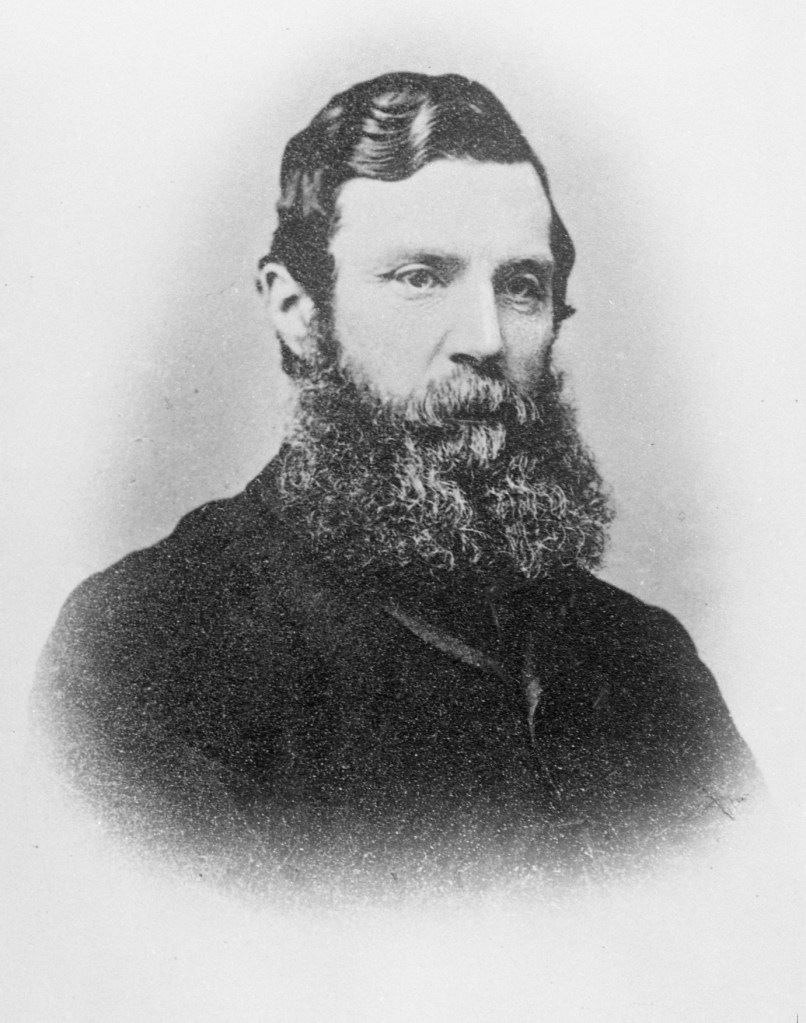
The next premier, Richard Dry, was not only the first Tasmanian-born premier, he was also MLC for Tamar, the first time one upper-house premier succeeded another. He was very popular and led a small but able ministry of three, the smallest in Tasmanian history, with Dry handling government business in the upper house. His term came to a premature end, however, when he died on 1 August 1869 aged 53. Dry is the only Australasian head of government to die in office while sitting in an upper house.
Dry’s successor, James Milne Wilson, took office on 4 August 1869. As MLC for Hobart, he was the third consecutive upper-house premier. No premier sat in the lower house for almost a decade, falling just 2.5 months shy of the 10-year mark. All the more surprisingly, this is the first of two such trios in Tasmanian history, and the longer-lasting of the two. Wilson served as premier until 4 November 1872, when—like Whyte before him—unpopular proposals for tax reform led to his ministry losing a confidence motion. (A curious fact about Wilson, by the way, is that he was not only born on a leap day, 29 February 1812, but he also died on his “seventeenth” birthday, 29 February 1880.)
Frederick Innes, MLC for South Esk, formed a new ministry—but he was not premier while an MLC! How? Tasmania’s parliament, like most in colonial Australasia, inherited a British practice that members had to re-contest their seat on accepting a ministerial portfolio. This practice emerged in seventeenth-century England, where a member’s seat became vacant if they accepted an office of profit under the Crown, and ministerial positions were defined as one such office of profit—but with a carve-out that a member could retain the office if they were re-elected, hence ministerial by-elections. In theory, this meant that if the Crown “bought” a ministry, electors could refuse to re-elect the ministers. In practice, ministers were often returned unopposed or with only token opposition, although unpopular appointees did occasionally lose. Britain eliminated ministerial by-elections in 1926, while in Australia the practice ceased between 1884 (Queensland) and 1947 (WA). NZ, SA, and the federal Commonwealth avoided the hassle by never requiring ministerial by-elections in the first place.
Anyway, back to Innes. He accepted the premiership on 4 November 1872—and also the position of treasurer, which required him to sit in the House of Assembly as money bills can only be introduced in that house. He informed the clerk of the Legislative Council that his membership of the house had become vacant on accepting those portfolios. He swapped seats with another member of his ministry, James Reid Scott: Innes stood in the by-election for Scott’s Assembly district of Selby, while Scott stood in the by-election for Innes’s Council division of South Esk. Innes served as premier until 8 August 1873, and in 1877 he returned to the Council, the house in which he spent the majority of his political career but not a day of his premiership.
Innes’s successor, Alfred Kennerley, was MLC for Hobart. He served until 20 July 1876. By this point, Tasmania’s premier had sat in the upper house for all but nine months of the preceding 13.5 years. Tasmania then returned to the more conventional practice and its premiers for the next eight years (four men who served five discrete terms) sat in the lower house.
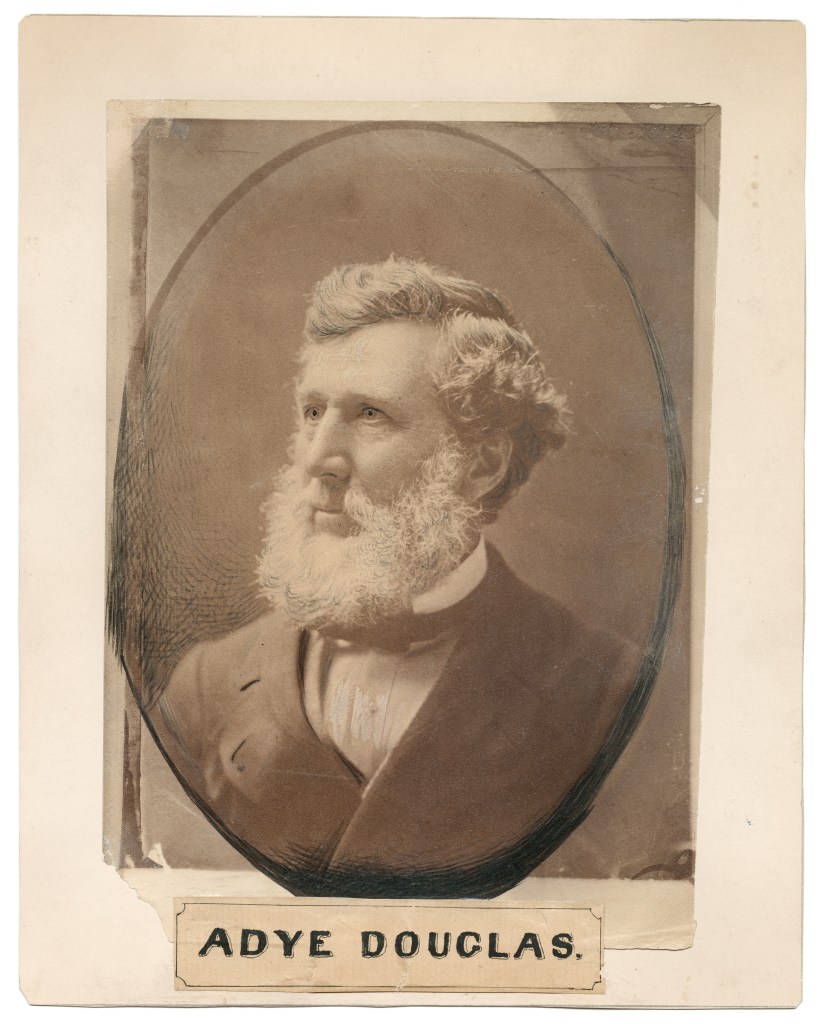
Adye Douglas became premier in August 1884, and in at least one sense he is the single most surprising MLC to serve as premier: he chose to transfer TO the upper house on becoming premier. Nobody else in Australasian history has done this. All four members of Douglas’s ministry sat in the lower house, so, instead of re-contesting his seat of Fingal, Douglas decided to seek a seat in the Legislative Council in order to represent the ministry there. Yes, I feel I must reiterate that: Douglas decided that if anyone from the new ministry should switch to the upper house, it should be him, the new premier. He persuaded an MLC of very low profile, Charles Leake, to quit South Esk—judging by comment in the papers about Leake having done “nothing” for the past two years, he had not endeared himself to his erstwhile electors—and no other candidate stood in the ensuing by-election on 21 August 1884. So, although Douglas became premier on 15 August, he was not a premier who sat in the upper house until six days later.
In order to become Tasmania’s agent-general in London, Douglas handed over to James Agnew, MLC for Macquarie, on 8 March 1886. At this point, Tasmania was at risk of turning into a gerontocracy: Douglas had been almost 70 when he became premier, and was now nearly 72; Agnew, born less than five months after Douglas, took office at the age of 70 years and 157 days, the oldest a Tasmanian premier has ever been upon assuming office. He retired from politics on 29 March 1887, and got to enjoy a 14-year retirement.
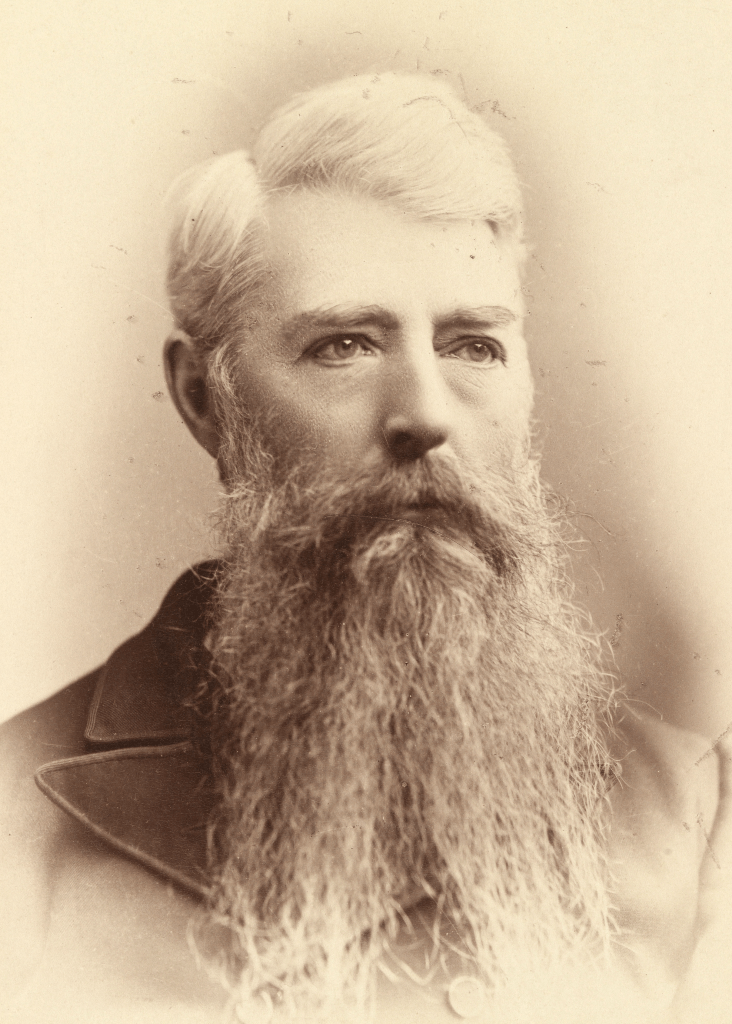
The next premier after Agnew was Philip Fysh, MLC for Buckingham. Not only was he the third premier in a row to be an MLC, this was the second time such a streak had occurred in Tasmania. Fysh had previously been premier for about half a year in 1877–78 while a member of the lower house, so he was the second premier after William Weston to occupy the top job first as a member of the Assembly and then as a Councillor. Fysh, besides having one of the most impressive beards to grace an Australasian parliament, served 5.5 years at the head of a reformist liberal ministry. When he left office on 17 August 1892, he had served an extraordinary 1,968 days as premier while an MLC. No other upper-house premier comes close: only Henry Ayers’ cumulative tenure across five terms is within 500 days.
When Fysh’s premiership ended, Tasmania’s premier had been a member of the Legislative Council more often than being a member of the House of Assembly. The premier was an MLC for 60.02% of the period between 1 November 1856, when William Champ was sworn in as first premier, and Fysh’s departure on 17 August 1892. Unlike most of their counterparts who governed from upper houses elsewhere, these premiers had remarkable stability: only one, William Weston, was premier for less than a year; five of the eight served for over two years. Among all premiers from Champ to Fysh, the average duration of each term was 1.88 years; for premiers in the Legislative Council, it was 2.69 years versus only 1.3 years for premiers in the Legislative Assembly. Despite this, Tasmania has not had a premier sit in the Legislative Council since 17 August 1892.
Victoria
One person has been premier of Victoria while a member of the Legislative Council, and it occurred amid one of Victoria’s greatest constitutional crises. James McCulloch had formed a liberal ministry in 1863, most notably featuring the more radical George Higinbotham as attorney-general, and this government clashed repeatedly with the Legislative Council, which on account of its limited franchise represented conservative landholders. The Council refused to pass numerous government policies, including budgets. Relations broke down so severely that McCulloch twice called elections, in February 1866 and February 1868, to obtain a mandate for his proposals.
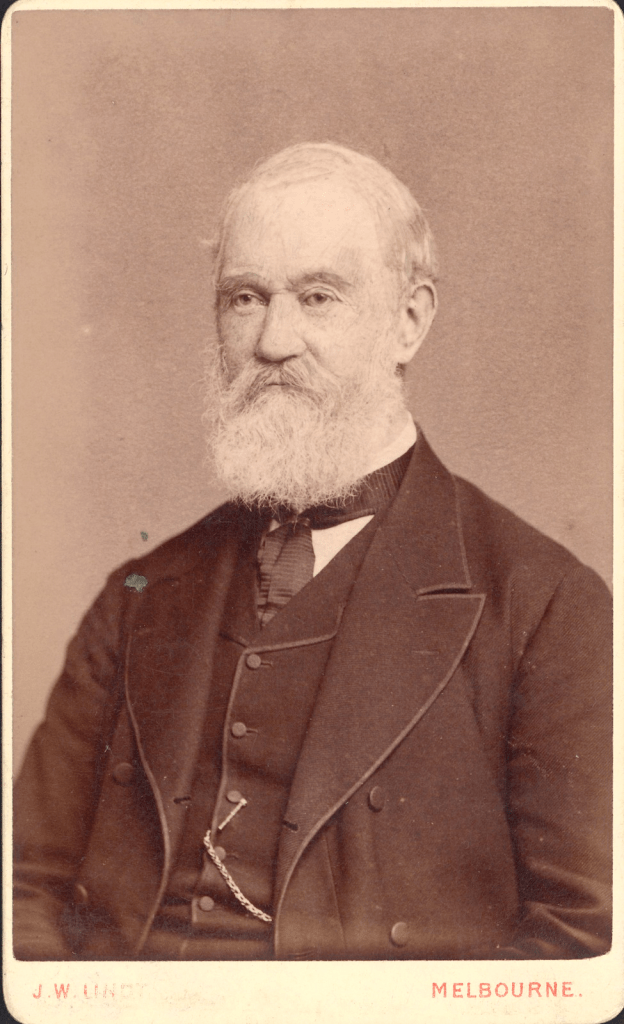
In May 1868, however, the Governor of Victoria, John Manners-Sutton, received advice from London that endorsed the Legislative Council’s opposition to McCulloch’s proposed grant of a pension to a former governor, Charles Darling. McCulloch promptly resigned as premier and Manners-Sutton commissioned Charles Sladen, MLC for Western Province.
Sladen was the first and only Victorian premier to sit in the Legislative Council. His appointment was deeply unpopular and seen as anti-democratic, especially given McCulloch’s electoral mandate. Sladen could not obtain a majority in the lower house, but clung to the premiership for 66 days. In the end, London modified its advice, McCulloch returned to the premiership, and compromise legislation passed both houses—although Higinbotham, who disapproved of this compromise, did not join McCulloch’s new ministry.
(If legislative drama is what you’re after, the parliament of Victoria delivers it in spades from the 1850s to the 1950s. It was the last parliament in Australasia to develop a stable two-party system and consequently featured numerous unusual coalitions, ministerial collapses, and short-lived premierships—including one election, 1945, where the sitting premier Ian Macfarlan did not represent any of the three largest parties. Macfarlan, formerly the deputy leader of the Liberal Party, had been disendorsed after cobbling together a cross-party “stopgap ministry” to get supply approved.)
Western Australia
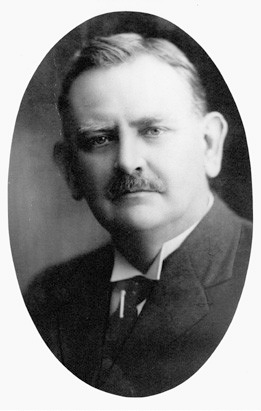
One of the most interesting premierships to occur in Australasia while the premier was an MLC was Hal Colebatch, Western Australia’s only head of government to sit in its upper house. Colebatch won election to the Legislative Council in 1912, at a time when WA’s non-labour politicians such as himself were coalescing into parties, and within a couple of years he was the dominant figure of the more conservative upper house. When Henry Lefroy (Nationalist Party) became premier in 1917, Colebatch joined his ministry as deputy premier. During January 1919, the Great Flu breached Australia’s port quarantine in Victoria while Lefroy and two other cabinet ministers were visiting Melbourne, with Colebatch remaining in Perth as acting premier. Colebatch acted decisively, defying the Commonwealth government’s instructions and closing Western Australia’s borders despite the fact he was locking his own premier out of the state. He became enormously popular.
Eventually Lefroy made it back to WA but his time as premier had been plagued by difficulties even before the Great Flu, and Colebatch’s reputation now eclipsed his own. Lefroy realised his premiership was over after using his casting vote in April 1919 to survive a leadership challenge from Colebatch, and he resigned the office shortly thereafter. Colebatch was sworn in on 17 April. The previous year, he had been offered the vacant seat of Claremont in the Legislative Assembly but declined it; now, however, he recognised that it would be desirable for him to move to the lower house. As he scouted around, however, Colebatch could not find any members of the Legislative Assembly willing to resign and step aside for him.
Events overtook Colebatch. Although entering office amid a pandemic as popular as Mark McGowan in his pomp a century later, Colebatch could not hold on to that popularity for remotely as long. No fawning “State Dad” headlines from the West Australian for him! Instead, Colebatch was embroiled in the latest chapter of an ongoing waterfront dispute involving the Fremantle Lumpers Union (FLU). They were blockading the port against stevedores who belonged to the National Waterside Workers Union (NWWU), who had been used previously as strikebreakers and whom the FLU wanted removed from the wharves. In early May, Colebatch and the WA commissioner of police led a flotilla down the Swan River to Fremantle to break the strike. Members of the FLU hurled rocks, scrap iron, and pieces of masonry at the boats, and soon a riot broke out, resulting in the death of one FLU member. A few days later, the NWWU withdrew from the docks but Colebatch’s reputation was in tatters, his prospects of finding a seat in the Legislative Assembly were impossibly remote, and his health was poor. He resigned after 30 days in the job.
You could say that Colebatch’s premiership started because of the flu and ended because of the FLU.

Concluding remarks
Have I missed anyone? Do you have any info to add? Contact me at andre.brett@curtin.edu.au or on Bluesky at @DrDreHistorian.bsky.social
20 separate individuals, all men, have served some or all of at least one term as head of government of an Australasian polity while a member of the upper house of its parliament. These terms total 27 because NZ’s Frederick Whitaker was premier twice, George Waterhouse was premier of both NZ and SA, and SA’s Henry Ayers served a whopping five separate terms.
Most held office in the colonial era, with four heads of government sitting in an upper house during the twenteth century. These four were also the only four to hold formal party affiliations, the party era having emerged fitfully across Australasia between the 1870s and 1910s. The parties were: Australian Labor Party (Barrie Unsworth, NSW); Liberal Party of Australia (John Gorton, Cth); Nationalist, a predecessor of today’s Liberal Party (Hal Colebatch, WA); and Reform, a predecessor of today’s National Party of NZ (Francis Bell).
Only in colonial Tasmania was it common for the premier to sit in the upper house. As late as 31 October 1899 (but not the next day), Tasmanian premiers had sat for more time in the Legislative Council than in the House of Assembly. SA had a more modest tradition of premiers sitting in its Legislative Council during its first 25 years of responsible government. In all other parliaments, it has been exceptional for the head of government to sit in the upper house, and almost invariably brief.
To conclude, here is a list of all Australasian premiers to serve in a parliamentary upper house, with their dates of service while a member of the upper house (not necessarily their entire premiership!). Those that are in bold served as premier in the upper house for more than two years (be it a single term or cumulatively across multiple terms). Those with an asterisk (*) transferred to the lower house and remained premier after their time in the upper house ended; those with a plus sign (+) served a term as premier in the lower house before their premiership in the upper house. Party affiliation is included where relevant.
- James Agnew (Tas), 1886-03-08 to 1887-03-29
- Henry Ayers (SA), 1863-07-15 to 1864-08-04; 1865-09-20 to 1865-10-23; 1867-05-03 to 1868-09-24; 1868-10-13 to 1868-11-03; 1872-01-22 to 1873-07-22
- John Baker (SA), 1857-08-21 to 1857-09-01
- Francis Bell (NZ, Reform), 1925-05-14 to 1925-05-30
- Hal Colebatch (WA, Nationalist), 1919-04-17 to 1919-05-17
- Adye Douglas (Tas), 1884-08-21 to 1886-03-08
- Richard Dry (Tas), 1866-11-24 to 1869-08-01
- Philip Fysh (Tas),+ 1887-03-29 to 1892-08-17
- John Gorton (Cth, Liberal),* 1968-01-10 to 1968-02-01
- Alfred Kennerley (Tas), 1873-08-04 to 1876-07-20
- William Morgan (SA), 1878-09-27 to 1881-06-24
- Daniel Pollen (NZ), 1875-07-06 to 1876-02-15
- Charles Sladen (Vic), 1868-05-06 to 1868-07-11
- George Thorn (Qld),* 1876-06-05 to 1876-06-16
- Barrie Unsworth (NSW, Labor),* 1986-07-04 to 1986-07-15
- George Waterhouse, 1861-10-08 to 1863-07-04 (SA); 1872-10-11 to 1873-03-03 (NZ)
- William Weston (Tas),+ 1860-11-01 to 1861-08-02
- Frederick Whitaker (NZ), 1863-10-30 to 1864-11-24; 1882-04-21 to 1883-09-25
- James Whyte (Tas), 1863-01-20 to 1866-11-24
- James Milne Wilson (Tas), 1869-08-04 to 1872-11-04
Sources: Quantitative data on premiers compiled from official sources. For qualitative information, I have relied heavily on the Australian Dictionary of Biography entries for named individuals, and on histories of individual parliaments or their houses (e.g. W.K. Jackson on NZ’s Legislative Council). Some content, especially on NZ, derives from my own research. A scholarly version of this blog post would, of course, be fully referenced—if I have the opportunity to write it!
 Dr André Brett